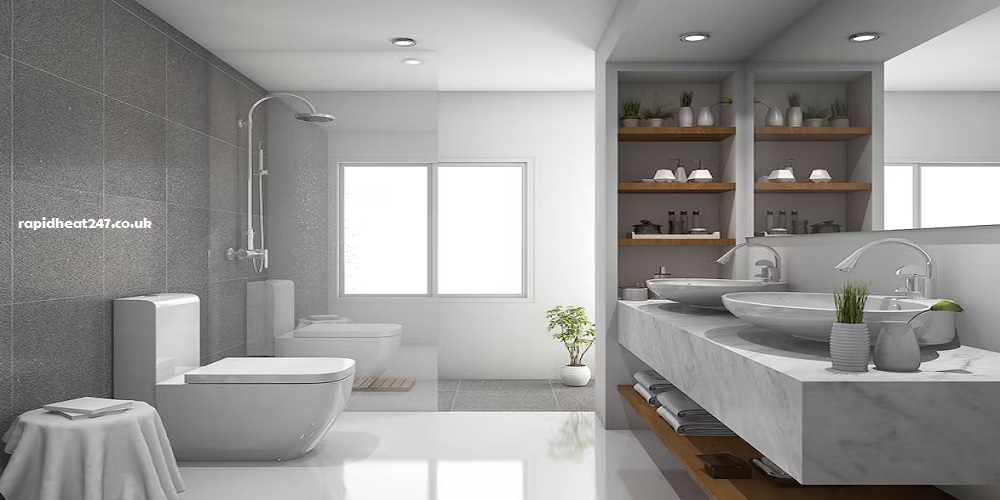

Bathroom installation in London is rarely a simple upgrade. Most projects start with excitement about new tiles, fittings, and layouts, but quickly turn complicated once hidden plumbing issues, space limitations, and structural constraints appear.
The biggest challenge is not the design. It is understanding what is realistically possible inside a London property before work begins.
This guide focuses on real issues homeowners face and how to approach a bathroom installation in a practical and informed way.
The Real Problem: Most Bathrooms Are Planned Backwards
One of the most common mistakes in London bathroom renovations is starting with design choices instead of technical checks.
Homeowners often begin with:
- Tile styles
- Shower designs
- Vanity ideas
- Layout inspiration from online images
But in London homes, especially older buildings, the bathroom is heavily dependent on:
- Existing pipe routes
- Drainage direction
- Ventilation access
- Wall and floor structure
When design leads and technical checks come later, changes become expensive, delays increase, and compromises are unavoidable.
Hidden Issue #1: Old Plumbing Systems That Limit Your Options
Many London properties still use outdated or partially modified plumbing systems.
Common hidden issues include:
- Pipes that cannot support modern water pressure needs
- Mixed pipe materials causing compatibility problems
- Poor drainage slope in older floors
- Shared waste systems in flats and conversions
These problems are not visible until work starts, which is why early inspection is critical.
Impact on your project:
You may need to adjust your layout or fixture choices to match what the system can support safely.
Hidden Issue #2: Small Space Does Not Mean Simple Installation
A small bathroom renovation is often more complex to install than a large one.
Why?
Because every millimeter’s matters.
Common planning mistakes include:
- Door opening conflicts with fixtures
- Shower trays blocking movement flow
- Poor placement of toilet and basin
- Lack of storage planning early in design
In compact London bathrooms, poor layout decisions cannot be easily corrected later without major rework.
Hidden Issue #3: Ventilation Problems That Lead to Long Term Damage
Many bathrooms in London suffer from poor airflow, especially in flats and internal bathrooms without windows.
Without proper ventilation, you may experience:
- Continuous condensation on mirrors and tiles
- Mould forming in corners and ceilings
- Damp smell that does not go away
- Paint and grout deterioration
This is not just a comfort issue. It directly affects the durability of your bathroom.
A proper installation should always include a correctly positioned extractor system connected to external airflow, not just internal circulation.
Hidden Issue #4: Waterproofing Mistakes That Stay Hidden for Months
One of the most serious but invisible problems in bathroom installations is poor waterproofing.
It usually happens when:
- Surfaces are tiled without proper sealing layers
- Corners and joints are not protected correctly
- Shower areas are not fully tanked
- Cheap sealant is used instead of proper systems
At first, everything looks fine. But over time, moisture begins to penetrate behind tiles.
This leads to:
- Hidden leaks
- Wall damage
- Loose tiles
- Structural damp issues
By the time it becomes visible, repair work is significantly more complex.
Hidden Issue #5: Mismanaged Work Sequence
Bathroom installation is not a single job. It is a sequence of dependent stages.
When sequencing is not followed properly, problems occur later.
Correct order should generally include:
- Removal of old bathroom
- First fix plumbing and electrical work
- Structural preparation
- Waterproofing
- Tiling and surface finishing
- Fixture installation
- Final testing
If steps overlap incorrectly, for example tiling before plumbing testing, it can lead to rework and delays.
Hidden Issue #6: Unexpected Design Changes Mid Project
Another major issue in London bathroom projects is mid work changes.
This happens when:
- Homeowners see space differently after strip out
- Fixture sizes do not match expectations
- Plumbing limitations force redesign
- Storage or layout feels impractical in real space
These changes are normal, but without proper planning, they can disrupt workflow and create avoidable complications.
How to Approach Bathroom Installation the Right Way
To avoid common issues, the focus should shift from “what it will look like” to “what the property allows.”
A practical approach includes:
1. Start with a full property check
Understand plumbing, drainage, ventilation, and structure first.
2. Build design around technical reality
Not the other way around.
3. Prioritise function over trends
A bathroom should work daily without issues, not just look modern.
4. Keep layout simple where possible
Complex layouts increase risk in older properties.
5. Ensure proper installation sequencing
Each stage should be completed correctly before moving to the next.
When You Should Consider a Full Bathroom Installation
A complete renovation is usually the better choice when:
- Plumbing issues keep recurring
- Layout no longer suits your lifestyle
- There are signs of damp or mould
- Existing fixtures are outdated or poorly installed
- Multiple past repairs have not solved underlying issues
In these cases, patch repairs often cost longer than a structured full installation.
Final Thoughts
Bathroom installations in London are not just design projects. They are technical upgrades that depend heavily on existing building conditions.
The most successful renovations happen when homeowners focus early on feasibility, structure, and long-term function rather than appearance alone.
A well-planned bathroom should feel simple to use, easy to maintain, and reliable for years.
Planning a Bathroom Installation in London?
If you are considering upgrading your bathroom, the most important step is understanding your property first, not choosing finishes.
Rapid Response Plumbing & Heating provides complete bathroom installation services across London, focusing on practical design, proper installation sequencing, and long-term reliability.
Call: 07888078885
Visit: www.rapidheat247.co.uk
Start with the right planning and avoid costly rework later.
FAQs: What London Homeowners Usually Want to Know
Ans: A technical assessment of plumbing and drainage is needed before finalising any design.
Ans: Older properties often reveal hidden issues once work begins, especially with pipework and structural conditions.
Ans: Poor waterproofing and inadequate ventilation are the leading long-term issues.
Ans: Yes, but it depends on the condition and position of existing pipework.
Ans: Yes, even more important in small or windowless bathrooms to prevent moisture buildup.