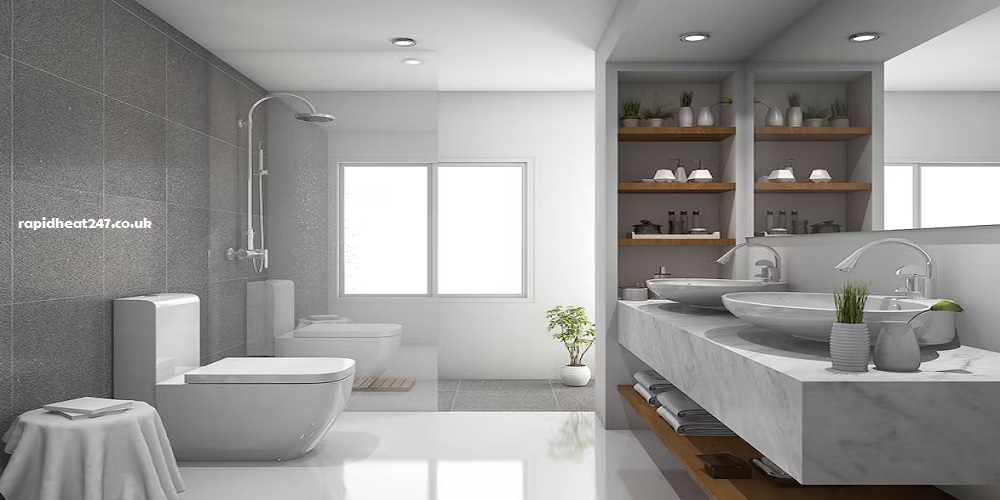

Many homeowners planning bathroom renovations in London often discover that their existing bathroom no longer meets modern needs. Older properties across the city frequently have small layouts, ageing plumbing systems, and poor ventilation.
While these bathrooms may still function, they often create daily inconveniences. Limited storage, worn tiles, and inefficient layouts make the space harder to use. A well-planned bathroom renovation London homeowner’s trust focuses on solving these practical problems while improving comfort and functionality.
This guide explains common issues found in older bathrooms and how a thoughtful renovation can help homeowners upgrade their space effectively.
What Does Bathroom Renovation in London Usually Involve?
A typical bathroom renovation in London includes updating fixtures, improving layout efficiency, installing better ventilation, and replacing old tiles or surfaces. Many homeowners also upgrade plumbing and lighting to create a more practical and comfortable bathroom. Professional installers such as Rapid Response Plumbing & Heating usually begin with an inspection to identify the improvements that will make the biggest difference.
Common Problems in Older London Bathrooms
Many homes across London were built decades ago. Because of this, bathrooms often suffer from structural and design limitations.
Understanding these issues helps homeowners plan a bathroom refurbishment in London that focuses on long term solutions.
Small and Inefficient Layouts
Older bathrooms were not designed for modern lifestyles. Large bathtubs, bulky fixtures, and limited storage often make the space feel cramped.
During a small bathroom renovation in London, installers often recommend:
• replacing bathtubs with walk in showers
• installing wall mounted sinks or toilets
• adding vertical storage solutions
These changes help maximise available space.
Poor Ventilation and Moisture Problems
Condensation and mould are common issues in older bathrooms. Without proper airflow, steam remains trapped in the room.
Installing extractor fans and improving ventilation is a key part of modern bathroom fitting in London, helping to reduce moisture and protect walls and ceilings.
Ageing Plumbing Systems
Another common reason for bathroom renovation London projects is outdated plumbing. Older pipes can lead to:
• inconsistent water pressure
• leaking fittings
• slow drainage
Replacing old pipework during renovation helps prevent future problems and ensures new fixtures function properly.
A Typical Bathroom Renovation Scenario
Consider a homeowner living in North London with a bathroom that has not been updated for many years. The layout includes a large bathtub, minimal storage, and no effective ventilation.
After researching bathroom installers in London, the homeowner decides to renovate the space. The renovation includes:
• installing a walk in shower
• replacing outdated tiles
• adding wall mounted storage
• improving lighting and ventilation
The result is a bathroom that feels more spacious and easier to maintain while solving long standing problems.
Step by Step Bathroom Renovation Process
A professional bathroom renovation in London usually follows a clear sequence to ensure everything is installed correctly.
- Bathroom Inspection
Installers first evaluate plumbing, drainage, and the overall condition of the space.
- Layout Planning
The layout is redesigned to improve movement and maximise available space.
- Removal of Old Fixtures
Outdated sinks, bathtubs, and tiles are removed to prepare the area for renovation.
- Plumbing and Electrical Adjustments
Pipework and wiring are updated if necessary to support modern fixtures.
- Waterproofing and Tiling
Water resistant materials are installed to protect the bathroom from moisture.
- Installation of New Fixtures
New sinks, showers, toilets, and lighting complete the renovation.
Experienced companies such as Rapid Response Plumbing & Heating typically manage this process to ensure installations meet local standards.
Practical Renovation Tips for Small London Bathrooms
Because many homes in London have compact bathrooms, smart design choices are important.
Helpful tips include:
• choose light coloured tiles to create a more open appearance
• install mirrored cabinets for hidden storage
• use floating shelves to maximise vertical space
• replace bulky bathtubs with walk in showers when possible
These improvements make a small bathroom renovation in London more effective.
Best Materials for Bathroom Renovation
Bathrooms experience constant humidity, so durable materials are essential.
Common choices used by bathroom installers in London include:
- Porcelain tiles
Highly water resistant and easy to maintain.
- Ceramic tiles
Durable and available in many styles.
- Moisture resistant wall finishes
Help prevent mould and peeling paint.
Choosing high quality materials helps ensure the renovation lasts for years.
Bathroom Renovation Cost in London
The bathroom renovation cost in London depends on several factors:
• bathroom size
• quality of fixtures
• plumbing upgrades
• tile and flooring materials
• labour complexity
Some homeowners choose simple upgrades such as replacing fixtures and tiles, while others complete full redesigns with new layouts.
Planning ahead helps prioritise improvements that offer the most value.
Expert Advice from Bathroom Installers
Professionals working in London often recommend focusing on functionality first when planning a renovation.
Important priorities include:
• proper waterproofing
• reliable ventilation systems
• efficient bathroom layouts
• durable materials
Companies like Rapid Response Plumbing & Heating usually start by assessing the existing bathroom so homeowners can make informed renovation decisions.
Final Thoughts
Many properties across London still have bathrooms designed decades ago. These spaces often struggle with inefficient layouts, outdated plumbing, and poor ventilation.
A well-planned bathroom renovation in London focuses on solving these practical issues while improving comfort and usability. By working with experienced bathroom installers in London such as Rapid Response Plumbing & Heating, homeowners can transform an ageing bathroom into a functional and modern space that supports everyday living.
Frequently Asked Questions
1. How much does bathroom renovation cost in London?
Bathroom renovation costs in London depend on bathroom size, materials, and plumbing work. Basic upgrades cost less, while full renovations with layout changes cost more.
2. How long does a bathroom renovation take?
Most bathroom renovations take 1 to 3 weeks, depending on the work involved, materials, and plumbing or electrical upgrades.
3. Do I need permission to renovate a bathroom in London?
Usually no planning permission is required for internal bathroom renovations unless the property is listed or structural changes are planned.
4. What is the best layout for a small bathroom?
Space saving layouts include walk in showers, wall mounted fixtures, and vertical storage to maximise limited space.
5. How can I prevent mold in my bathroom?
Install a good extractor fan, maintain ventilation, and use moisture resistant materials to reduce damp and mold.
6. Is it worth renovating an old bathroom?
Yes. Renovation improves functionality, comfort, and property value, while fixing issues like poor ventilation or outdated plumbing.
7. What materials are best for bathroom renovation?
Porcelain tiles, ceramic tiles, and water resistant surfaces are commonly used because they handle moisture well.
8. How do I choose a reliable bathroom installer in London?
Look for qualified, insured, and experienced installers familiar with local standards in London, such as Rapid Response Plumbing & Heating.