Most plumbing emergencies in London do not start with a burst pipe flooding the entire kitchen.
Usually, the warning signs are there long before things get that bad.
A boiler that keeps losing pressure every few days. A strange gurgling sound after flushing the toilet. A damp patch slowly spreading near the ceiling. Low water pressure during the morning shower. Maybe the radiator in the spare room suddenly stops heating properly.
These are the kinds of issues homeowners ignore every week.
Not because people do not care, but because plumbing problems rarely feel urgent in the beginning.
Until suddenly the ceiling starts leaking.
Or the boiler stops working during freezing weather.
Or the downstairs neighbour knocks on the door because water is dripping into their flat.
After dealing with emergency plumbing services across London for years, one thing becomes obvious very quickly most expensive plumbing repairs could have been avoided if the early warning signs had been taken seriously.
And in London, plumbing problems escalate faster than many homeowners realise.
Older Victorian terraces, converted flats, ageing pipework, hard water limescale, and heavily used heating systems all put pressure on plumbing systems throughout the year. Small leaks can quietly spread behind walls or beneath flooring for weeks before visible damage finally appears.
By the time most people call a plumber, the problem has often already become far more expensive than expected.
This guide explains the plumbing warning signs London homeowners should never ignore, why these issues happen so often across the capital, and when it is time to contact emergency plumbing services before a minor issue becomes a major repair.
Why Plumbing Problems Are So Common in London Homes
One thing many people do not realise is that London properties face very different plumbing challenges compared to newer homes in other parts of the UK.
A lot of homes across London still rely on older copper pipework hidden beneath timber flooring or behind original plaster walls. In areas like Clapham, Fulham, Camden, Islington, and Hammersmith, many properties have also been converted into flats over the years, which means plumbing systems are often extended, altered, or connected in ways that create hidden problems later.
Then there is London’s hard water.
Limescale slowly builds up inside:
- Boilers
- Pipework
- Shower valves
- Heating systems
- Taps and fittings
Over time, this affects pressure, reduces efficiency, and damages internal components.
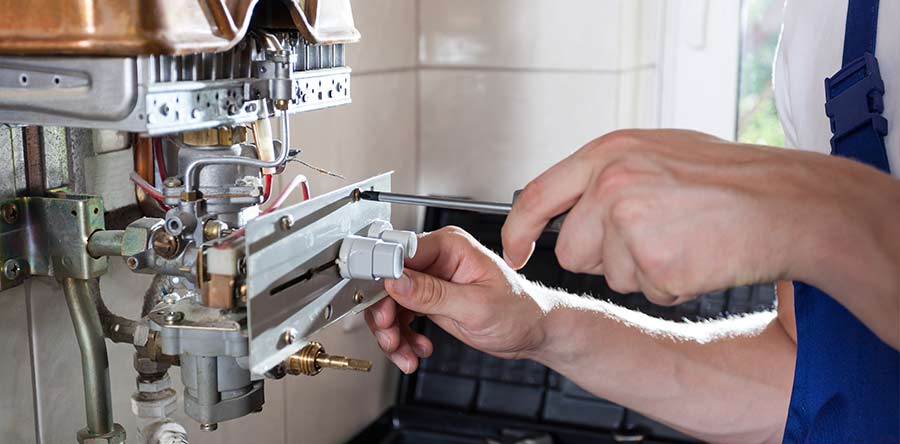
One of the most common emergency plumbing solutions in London during winter is dealing with boilers shutting down because of pressure issues or frozen condensate pipes caused by cold weather.
A lot of homeowners assume the boiler is “just playing up” until it finally stops working altogether.
Boiler Pressure Keeps Dropping
This is probably one of the most ignored plumbing warning signs we see across London.
A homeowner notices the pressure gauge is low, tops the boiler back up, and carries on as normal.
Then the same thing happens again three days later.
The issue is that boiler pressure should not keep dropping repeatedly.
If it does, there is usually a fault somewhere within the system.
In many London homes, especially older terraces and converted flats, we regularly find:
- Small leaks beneath floorboards
- Faulty pressure relief valves
- Corroded heating pipes
- Leaking radiator valves
- Expansion vessel problems
Sometimes the leak is so small there are no obvious visible signs initially.
But over time, moisture starts spreading beneath timber flooring or inside walls.
During winter, these hidden issues often turn into complete heating failures overnight.
One of the most common emergency plumbing services callouts we attend during cold weather is homeowners waking up with no heating after ignoring boiler pressure loss for weeks.
If your boiler pressure keeps dropping, it is always worth getting it checked properly before the issue becomes much worse.
Damp Smells and Small Ceiling Stains Usually Mean More Than You Think
A lot of London homeowners assume damp smells are normal in older properties.
But a musty smell that keeps returning usually means moisture is building somewhere it should not be.
Many plumbing emergencies actually begin with subtle warning signs like:
- Bubbling paint
- Peeling wallpaper
- Damp skirting boards
- Mould returning repeatedly
- Brown marks on ceilings
- Soft plaster near bathrooms
One of the most common things we see in London flats is hidden bathroom leaks slowly spreading beneath flooring for months before visible damage appears downstairs.
By the time the leak becomes obvious, the repair often involves:
- damaged plaster
- ruined flooring
- ceiling repairs
- mould treatment
- electrical checks
In converted flats across London, hidden leaks can also affect neighbouring properties surprisingly quickly.
That is why even small damp signs should never be ignored.
Gurgling Toilets and Slow Drains Are Early Warning Signs
Toilets and drains normally give warning signs before a complete blockage happens.
If you hear:
- Gurgling after flushing
- Bubbling sounds from drains
- Slow draining sinks
- Water backing up into the shower
- Bad smells from plugholes
… there is usually a drainage problem developing somewhere in the system.
Across London, blocked drains are extremely common because of:
- Grease buildup
- Wet wipes
- Hair accumulation
- Limescale deposits
- Older narrow pipework
- Tree root intrusion
A lot of homeowners spend weeks using supermarket drain cleaners hoping the problem disappears.
But one thing we regularly see during emergency plumbing services callouts is drains suddenly backing up after smaller warning signs were ignored for too long.
Once wastewater starts coming back into the property, the situation quickly becomes a hygiene issue as well as a plumbing emergency.
Professional plumbing services can properly inspect the drainage system and identify whether the blockage is isolated or affecting the main sewer line.
Low Water Pressure Can Mean a Hidden Leak
Low water pressure is another issue many people tolerate for too long.
If your shower suddenly becomes weaker or taps across the property lose pressure at the same time, there may be a hidden plumbing issue developing somewhere.
Common causes include:
- Hidden leaks
- Corroded pipework
- Pressure valve faults
- Underground pipe damage
- Severe limescale buildup
A lot of London homeowners initially assume it is simply temporary supplier maintenance.
Sometimes it is.
But if pressure problems continue, it is worth getting the plumbing system checked properly because concealed leaks often begin with unexplained pressure loss.
One of the more expensive repairs we regularly attend involves hidden leaks beneath flooring that homeowners assumed were just “poor water pressure.”
By the time the leak is discovered, sections of flooring and plaster are often already damaged.
Water Coming Through the Ceiling Is Always an Emergency
This is usually the moment people realise the situation has become serious.
And in London flats, ceiling leaks rarely affect only one property.
Water can spread quickly into neighbouring flats, communal hallways, electrical systems, and timber structures if action is delayed.
The most common causes we see include:
- Burst pipes
- Overflowing bathrooms
- Heating pipe leaks
- Failed shower seals
- Water tank problems
- Hidden leaks from upstairs flats
The biggest mistake homeowners make is waiting until morning to call someone.
Water damage spreads incredibly quickly.
If water starts coming through the ceiling:
- Turn off the stopcock immediately
- Switch electricity off if water is near lighting or sockets
- Move valuables away from affected areas
- Contact emergency plumbing services immediately
The faster the leak is isolated, the lower the overall repair cost usually becomes.
Why Small Plumbing Problems Often Become Expensive Repairs
Most plumbing emergencies do not happen suddenly.
They usually develop quietly over time.
A small hidden leak today can eventually lead to:
- Damaged flooring
- Ceiling collapse
- Boiler failure
- Black mould growth
- Rotten timber
- Electrical damage
- High water bills
- Insurance disputes
And in London, repair costs increase very quickly once structural damage becomes involved.
One thing we regularly tell homeowners is this:
If something feels unusual with your plumbing system, it is always cheaper to investigate early than wait for visible damage later.
What To Do During a Plumbing Emergency
Know Where Your Stopcock Is
Every homeowner and tenant should know this before an emergency happens.
In most London homes, the stopcock is usually located:
- Under the kitchen sink
- Near the water meter
- Inside a utility cupboard
Turning the water off quickly can prevent major flooding damage.
Do Not Ignore Boiler Fault Warnings
Modern boilers usually give warning signs before failing completely.
If your boiler:
- keeps losing pressure
- shuts down repeatedly
- displays fault codes
- struggles to heat properly
… it should be checked before winter makes the problem worse.
Avoid DIY Temporary Repairs
One thing we see regularly during emergency plumbing solutions in London is temporary DIY repairs failing after a few days.
Pipe tape and sealants may slow a leak temporarily, but they rarely solve the actual problem.
Professional plumbing services can identify the real issue properly and prevent further damage developing later.
Need Emergency Plumbing Services in London?
At Rapid Heat 247, we provide fast and reliable emergency plumbing services across London for:
- Homeowners
- Tenants
- Landlords
- Restaurants
- Offices
- Commercial properties
Our experienced engineers regularly deal with:
- Burst pipes
- Boiler breakdowns
- Water leaks
- Blocked drains
- Heating failures
- Low water pressure
- Emergency plumbing repairs
Whether it is a late night leak, frozen pipe during winter, or sudden heating breakdown, our local plumbing specialists are available with trusted 24*7 Plumbing Solution support across London.
If your boiler pressure keeps dropping, you notice damp smells, or water is leaking unexpectedly, it is always better to investigate the issue early before repair costs increase.
Speak With an Emergency Plumber Today
📞 Call Now: 07888078885
🌐 Visit: www.rapidheat247.co.uk
Trusted professional plumbing services and emergency plumbing solutions in London with fast response support when you need it most.
Frequently Asked Questions
This usually indicates a hidden leak, faulty valve, or heating system issue. Cold weather often makes existing plumbing weaknesses worse, which is why boiler pressure problems become more noticeable during winter.
Yes. Hidden leaks behind walls or beneath flooring can create ongoing moisture buildup, which often leads to mould growth and damp smells inside London flats.
Turn off the water supply immediately, switch off electricity if water is near electrics, and contact emergency plumbing services as quickly as possible to prevent further damage.
Immediately. Fast action reduces the risk of structural damage, mould growth, and expensive repairs later.
Yes. Older pipework, hard water limescale, ageing boilers, and converted plumbing systems make many London properties more vulnerable to leaks, drainage issues, and heating problems.